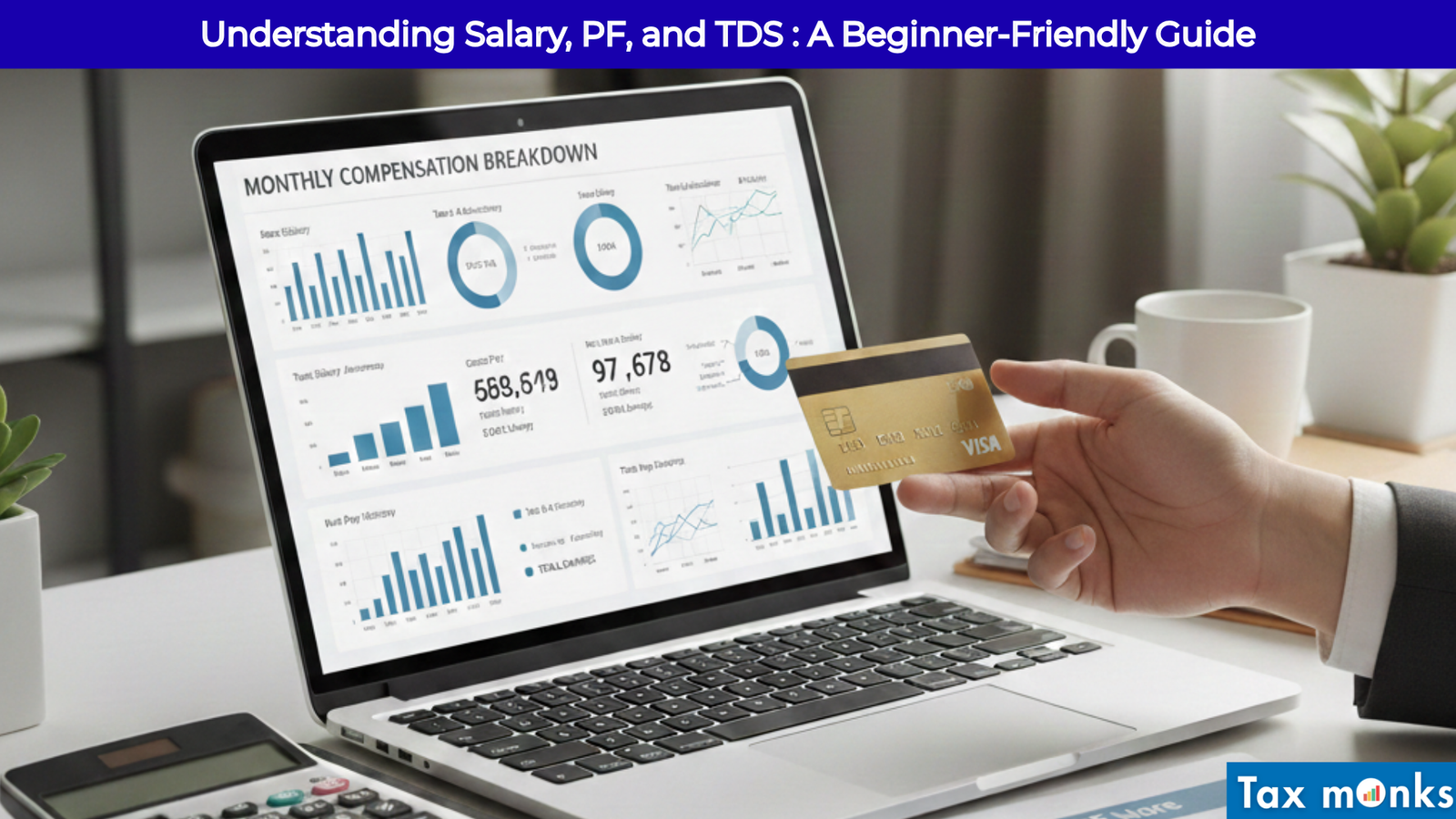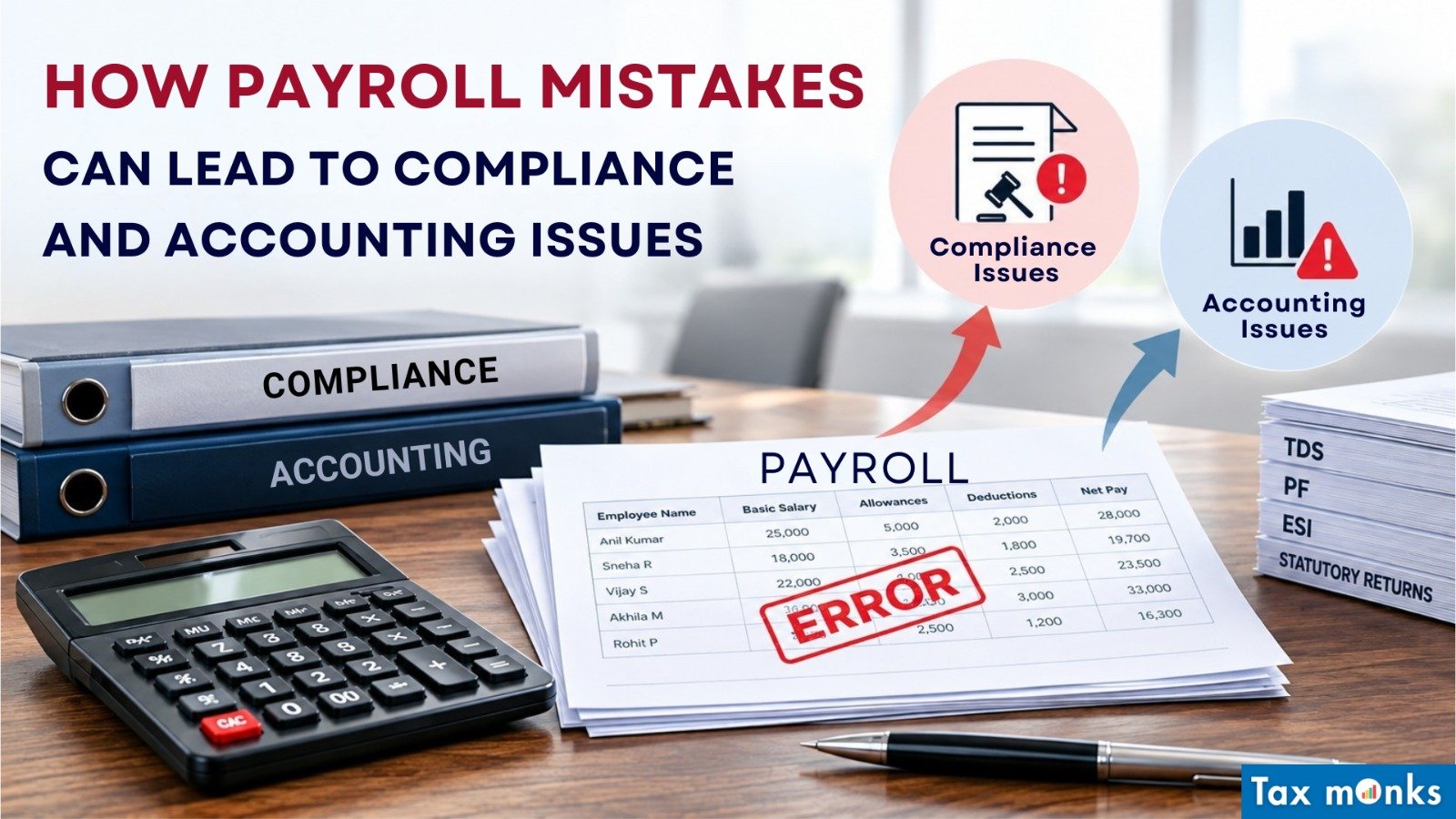
Every business, regardless of size, depends on payroll being accurate and timely; employees expect it, and regulators require it. But because payroll follows a fixed monthly cycle, it is often treated as routine rather than as a function that carries real compliance weight. This is exactly where risk tends to build up unnoticed. As employee numbers grow and salary structures become more varied, payroll errors become more likely, and their consequences become harder to reverse.
Understanding where these mistakes typically originate can help businesses prevent penalties, correct issues early, and maintain accurate financial records.
1. Incorrect Salary Calculations
Errors in attendance, leave, overtime, or salary revisions can result in employees being paid the wrong amount, while also distorting how salary expenses appear in the books. Verifying payroll data before processing salaries helps prevent this.
2. Errors in Statutory Deductions
PF, ESI, and TDS must be calculated correctly for every employee. Missed or incorrect deductions often surface later as compliance problems that need to be fixed retroactively. Regular checks reduce this risk.
3. Delayed Payments and Filings
Statutory payroll payments and returns follow fixed deadlines. Missing them can lead to interest, penalties, or closer scrutiny from authorities. A payroll calendar helps keep filings on schedule.
4. Mismatch Between Payroll and Accounting Records
Salary figures in payroll should align with the amounts recorded in the accounts. Errors in reimbursements, incentives, or employer contributions can create gaps between the two. Reconciling them regularly catches such differences early.
5. Incorrect Employee Information
Wrong PAN details, incorrect bank information, or an outdated salary structure can disrupt processing and statutory reporting. Updating employee records as soon as changes occur keeps payroll accurate month to month.
6. Weak Payroll Documentation
Attendance, salary, and deduction records should be maintained in an organised, accessible format. Gaps in documentation make it difficult to verify figures during audits or compliance reviews.
7. Impact on Financial Reports
Payroll is often one of the largest expenses a business carries. Incorrectly recorded salaries, bonuses, or contributions can distort financial statements and give management an inaccurate picture of the company's position.
Conclusion
Payroll may seem like a routine administrative task, but even small errors can trigger compliance penalties and misstate financial results. Addressing these risks early, through structured reviews, keeps records reliable and audit-ready.
At Tax Monks, we help businesses process payroll accurately and stay compliant with statutory requirements. Our team maintains organised records, tracks deadlines, and ensures timely filing, so businesses can handle their payroll obligations with greater accuracy and control.
For enquiries, mail us at: info.taxmonks@gmail.com / info@taxmonks.com
Visit: www.taxmonks.com
Call: +91 98957 42652